Glasgow’s weather is legendary, and not always for the right reasons. When the horizontal rain starts hitting the windows in November and the temperature drops toward zero, the last thing any homeowner wants is to hear that dreaded metallic clunk coming from the airing cupboard. We have all been there, trying to coax one more winter out of a boiler that has clearly seen better days. However, there comes a point where patching up an old unit becomes more expensive than simply starting fresh.
Many residents in the West End or the Southside live in beautiful older properties that are notoriously difficult to heat. If your radiators are taking an age to warm up or you are constantly bleeding them to get any heat at all, the issue might not just be the pipes; it is often an ageing boiler struggling to cope with the demand. Choosing a new boiler glasgow isn’t just about avoiding a breakdown; it is about reclaiming comfort in your own home and making sure your energy bills do not spiral out of control during the coldest months of the year.
Understanding why your old boiler is costing you more than you think
It is easy to ignore a boiler as long as the hot water is running, but older G-rated boilers can be less than 70% efficient. This means for every pound you spend on gas, 30 pence is essentially wasted. Modern condensing boilers, by comparison, operate at 90% efficiency or higher. Over the course of a single Scottish winter, those savings add up significantly. When you consider the rising costs of energy, the argument for an upgrade becomes less about luxury and more about sensible financial planning.
Beyond the monthly bills, there is the hidden cost of emergency repairs. Finding a gas engineer on a freezing Sunday evening in January is neither easy nor cheap. By investing in a modern system, you benefit from manufacturer warranties that often last up to a decade, giving you total peace of mind that you won’t be hit with an unexpected three-figure repair bill when you can least afford it.
What to look for when choosing a new boiler in Glasgow
Glasgow has a unique mix of housing stock, from traditional sandstone tenements to modern new-builds in areas like Renfrew or Stepps. This means there is no one-size-fits-all solution when it comes to heating. You need to consider the size of your property, the number of bathrooms, and your typical hot water usage. Most people today opt for a combination (combi) boiler because they are compact and provide hot water on demand, but they aren’t always the right choice for larger villas with multiple bathrooms.
When researching your options, keep these factors in mind:
- The Flow Rate: This determines how quickly hot water comes out of your taps. If you have a large family, you will need a higher flow rate to ensure someone can shower while another person washes the dishes.
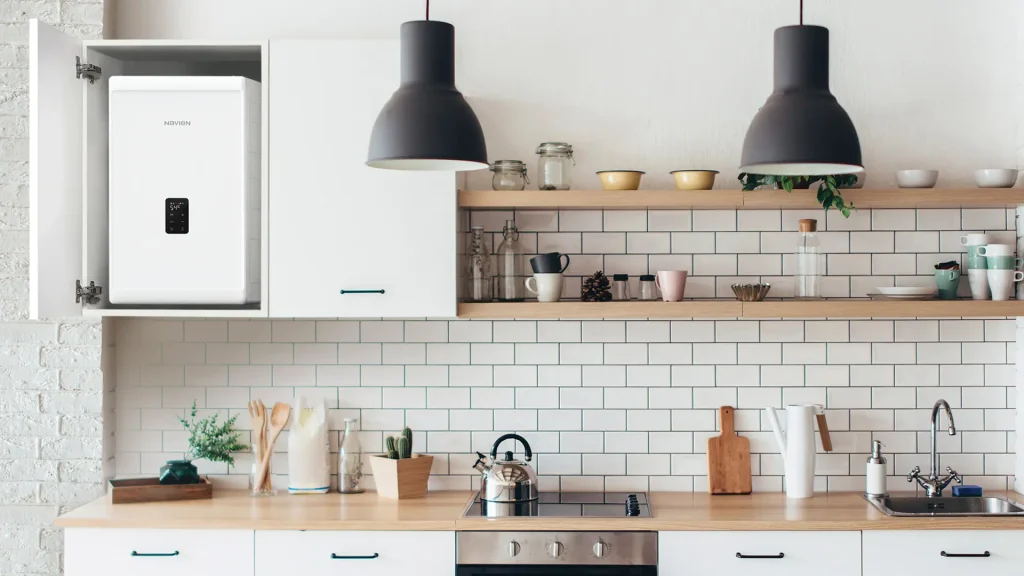
- Physical Size: In many Glasgow flats, space is at a premium. Modern boilers are much smaller than their predecessors and can often be tucked away inside a standard kitchen cupboard.
- Smart Compatibility: Most new systems can be integrated with smart thermostats like Nest or Hive, allowing you to control your heating from your phone while you are commuting home on the ScotRail.
- Warranty Length: Always look for a model that offers a long parts and labour warranty. It is a sign of the manufacturer’s confidence in the product.
What actually happens during a professional boiler installation
A lot of people put off getting a new system because they imagine their floorboards being ripped up and their house being turned into a construction zone for a week. In reality, a straightforward boiler swap can often be completed in a single day. The process usually begins with a site survey where an engineer assesses your current setup and recommends the best position for the new unit. They will check your gas pipework to ensure it meets modern safety standards, as older pipes are sometimes too narrow for high-efficiency boilers.
On the day of installation, the engineer will drain the system, remove the old unit, and install the new one. A crucial part of this process is the ‘power flush.’ This involves circulating high-velocity water and cleaning chemicals through your radiators to remove the black sludge (iron oxide) that builds up over time. If you skip this step, that old sludge can quickly clog up your brand-new boiler, reducing its efficiency and potentially voiding your warranty. Once everything is connected, the engineer will test the system thoroughly and show you how to use the new controls.
The real world benefits of upgrading your heating system
Aside from the obvious financial savings, there are several lifestyle benefits to upgrading that people often overlook. Modern boilers are significantly quieter than older models. If your current boiler sounds like a jet engine taking off every time you turn on the tap, you will be amazed at how silent a new one can be. This is particularly important if your boiler is located near a bedroom or in a main living area.
You will also notice a difference in the quality of your heating. Modern systems are much better at modulating their output, meaning they don’t just blast heat at 100% and then shut off. Instead, they maintain a consistent temperature, which feels much more comfortable and prevents the ‘cold spots’ often associated with older central heating systems. For those living in draughty period properties, this consistent warmth makes a world of difference.
Navigating the installation process in a Glasgow tenement
Installing a system in a traditional tenement presents a few specific challenges that a local expert will be familiar with. For instance, the flue (the pipe that carries exhaust gases outside) often has to be positioned carefully to comply with current building regulations, especially if your flat is several storeys up. You might also find that your old system used a header tank in the loft or a large cylinder in a cupboard; removing these can free up a surprising amount of storage space in your home.
When looking for a team to handle your installation, it is vital to ensure they are Gas Safe registered. This is the legal requirement for anyone working on gas appliances in the UK. You can check an engineer’s ID card to see exactly which types of gas work they are qualified to perform. A reputable local company will not only provide the installation but will also handle the registration of your warranty and provide you with a building regulations compliance certificate.
How to make sure your new system stays efficient
Once your new boiler is installed, you want to make sure it stays in top condition for as long as possible. The most important thing you can do is arrange an annual service. Just like a car, a boiler needs a regular check-up to ensure it is burning fuel safely and efficiently. Most manufacturers require an annual service to keep the warranty valid, so it is a small investment that protects a much larger one.
You can also take a few simple steps yourself to help the system along:
- Check the Pressure: Your boiler should usually sit between 1 and 1.5 bar. If it drops too low, the system won’t work efficiently.
- Keep an Eye on the Flue: Ensure the external vent isn’t blocked by debris or overgrown plants.
- Use Your Thermostat Wisely: Turning your thermostat down by just one degree can save a surprising amount on your annual bill without a noticeable change in comfort.
- Bleed Your Radiators: Even with a new boiler, air can occasionally get trapped in the radiators. If they are cold at the top, a quick bleed will solve the problem.
Living in Glasgow means we have to take our home heating seriously. By moving away from an unreliable, inefficient system and opting for a modern solution, you are not just buying a piece of hardware; you are investing in a warmer, drier, and more cost-effective home. It is one of those home improvements where the benefits are felt immediately, from the very first morning you wake up to a house that is actually warm before you even get out of bed.

Tom is a journalist with a passion for investigative reporting, political analysis, and social affairs.